
Paramount and Warner Bros have merged – what happens to Harry Potter, DC and Star Trek?
Hollywood has just undergone one of its biggest transformations in decades.
On 6 October 2026, Paramount completed its acquisition of Warner Bros. Discovery, bringing two of the entertainment industry’s most recognisable companies together under the Skydance banner.
The transaction, valued at approximately $110 billion to $111 billion depending on the reporting measure, creates a media group with an extraordinary collection of film studios, television networks, streaming services and entertainment franchises.
For audiences, however, the most interesting question isn’t necessarily the size of the deal.
It’s what happens to the characters and stories they love.
With properties ranging from Harry Potter and DC to Star Trek and Mission: Impossible now sitting within the same corporate group, the merger could influence Hollywood’s creative direction for years to come.


What exactly has changed?
The completed transaction brings Paramount and Warner Bros. Discovery’s businesses together under Skydance leadership.
David Ellison leads the new company alongside co-chief executive Ynon Kreiz.
The combined portfolio includes Paramount Pictures, Warner Bros., HBO, HBO Max, Paramount+, CBS and CNN, alongside numerous other television and entertainment operations.
It is an enormous collection of intellectual property and distribution infrastructure.
The merger also reduces the number of independently controlled major Hollywood studios, intensifying concerns about industry consolidation.
For fans, that means familiar franchises may now be considered within a much larger corporate strategy.
What does this mean for DC?
Warner Bros. is home to DC’s extensive collection of superheroes and villains.
Batman, Superman, Wonder Woman, the Joker and countless other characters form one of Hollywood’s most valuable entertainment libraries.
The DC screen universe has already experienced major creative restructuring in recent years, including the establishment of DC Studios under James Gunn and Peter Safran.
The merger introduces another level of corporate oversight.
However, that does not automatically mean existing DC projects will be cancelled, rebooted or radically altered.
No blanket change to the creative direction of DC has been established simply because the merger is complete.
The more meaningful questions concern future budgets, theatrical strategies and how the new parent company will prioritise its franchises.
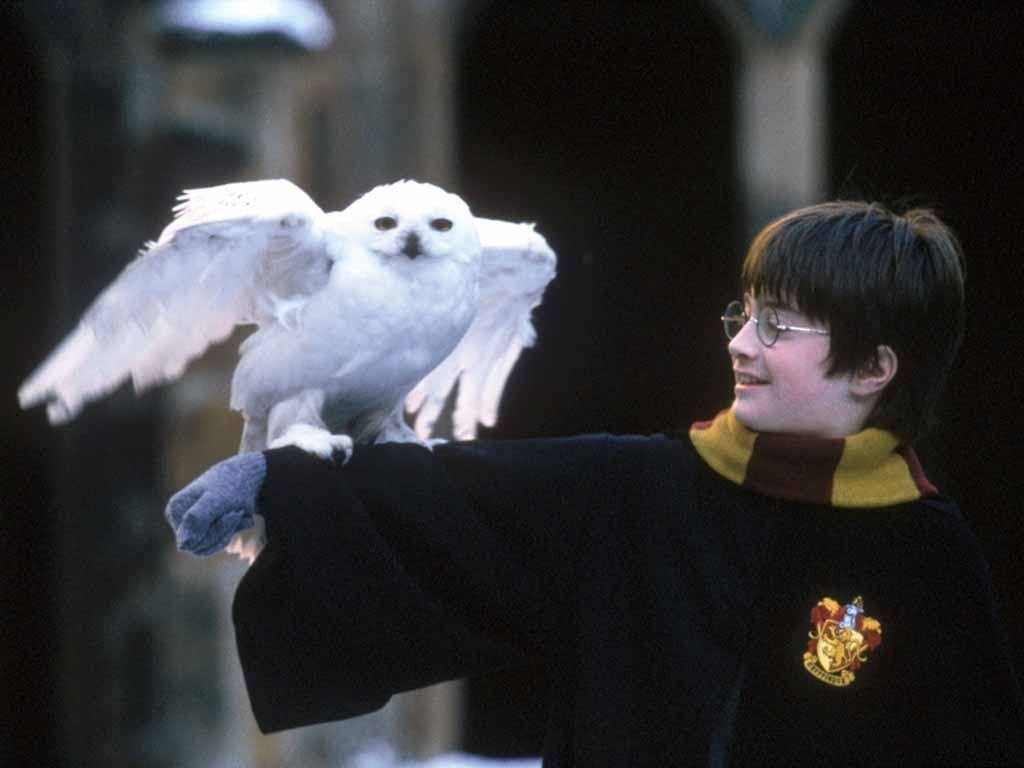
Could Harry Potter be affected?
The Harry Potter franchise remains another major Warner Bros. property.
Its films, television projects, merchandise and associated attractions form an enormous global entertainment business.
The new corporate structure could influence how the franchise is marketed, distributed and developed over time.
But it would be misleading to assume that a merger automatically changes announced productions or creative teams.
Major entertainment projects frequently continue through ownership changes, particularly when they involve valuable established properties.
The question is whether the new leadership will maintain existing plans or eventually pursue different strategies.
And what about Star Trek?
Star Trek comes from the Paramount side of the combined business.
For decades, the franchise has expanded through television, film, animation, novels and other media.
Its identity is built around exploration, diplomacy, science fiction and the possibilities of humanity’s future.
A larger parent company could provide opportunities for new investment and international distribution.
But there are also concerns.
Large entertainment groups often face pressure to concentrate resources on projects with the strongest commercial potential.
That can create difficult decisions for franchises with devoted audiences but varying levels of mainstream popularity.
The future of Star Trek will depend on creative and commercial decisions that have not yet been fully revealed.
What happens to HBO Max and Paramount+?
Streaming is one of the most important aspects of the merger.
Both companies have invested heavily in direct-to-consumer platforms while competing with Netflix, Disney and Amazon.
Bringing HBO Max and Paramount+ under the same corporate ownership creates opportunities to consolidate technology, subscriptions and content libraries.
However, ownership under one company does not mean every programme will immediately become available on a single service.
Any changes to streaming packages, regional availability and subscription pricing will depend on subsequent announcements and implementation.
For international audiences, including South African viewers, local licensing arrangements may further complicate access to particular programmes.
Why some people are concerned
The merger has generated significant debate about competition and creative independence.
Supporters argue that combining resources could help traditional Hollywood studios compete more effectively with powerful technology and streaming companies.
A larger group may be able to finance ambitious productions, distribute content internationally and invest in franchises over longer periods.
Critics worry about the opposite outcome.
When major studios merge, there are fewer independent companies deciding which films and television programmes receive funding.
That can potentially reduce opportunities for unusual projects, emerging filmmakers and smaller productions.
There are also concerns about job losses, cost-cutting and the influence of corporate priorities on editorial and creative decisions.
The company has outlined ambitious production commitments and projected substantial cost savings, but the full effects of integration remain uncertain.
Does bigger necessarily mean better?
For franchise fans, the temptation is to imagine extraordinary possibilities.
Could a larger studio group fund more ambitious science-fiction productions? Might established franchises receive greater international exposure? Could some neglected properties finally return?
Those possibilities exist.
But corporate ownership alone doesn’t guarantee better storytelling.
Some of the most successful entertainment franchises became beloved because filmmakers and writers were given the opportunity to take creative risks.
Others struggled when commercial expectations overwhelmed the stories themselves.
The real measure of this merger won’t be the number of famous characters owned by one company.
It will be the quality and variety of the films and television programmes that emerge over the next several years.
For now, one thing is certain: Hollywood’s corporate landscape has changed dramatically.
Whether that change benefits audiences remains an open question.
Which franchise are you most concerned about under the new Skydance entertainment group?
Share this article
