
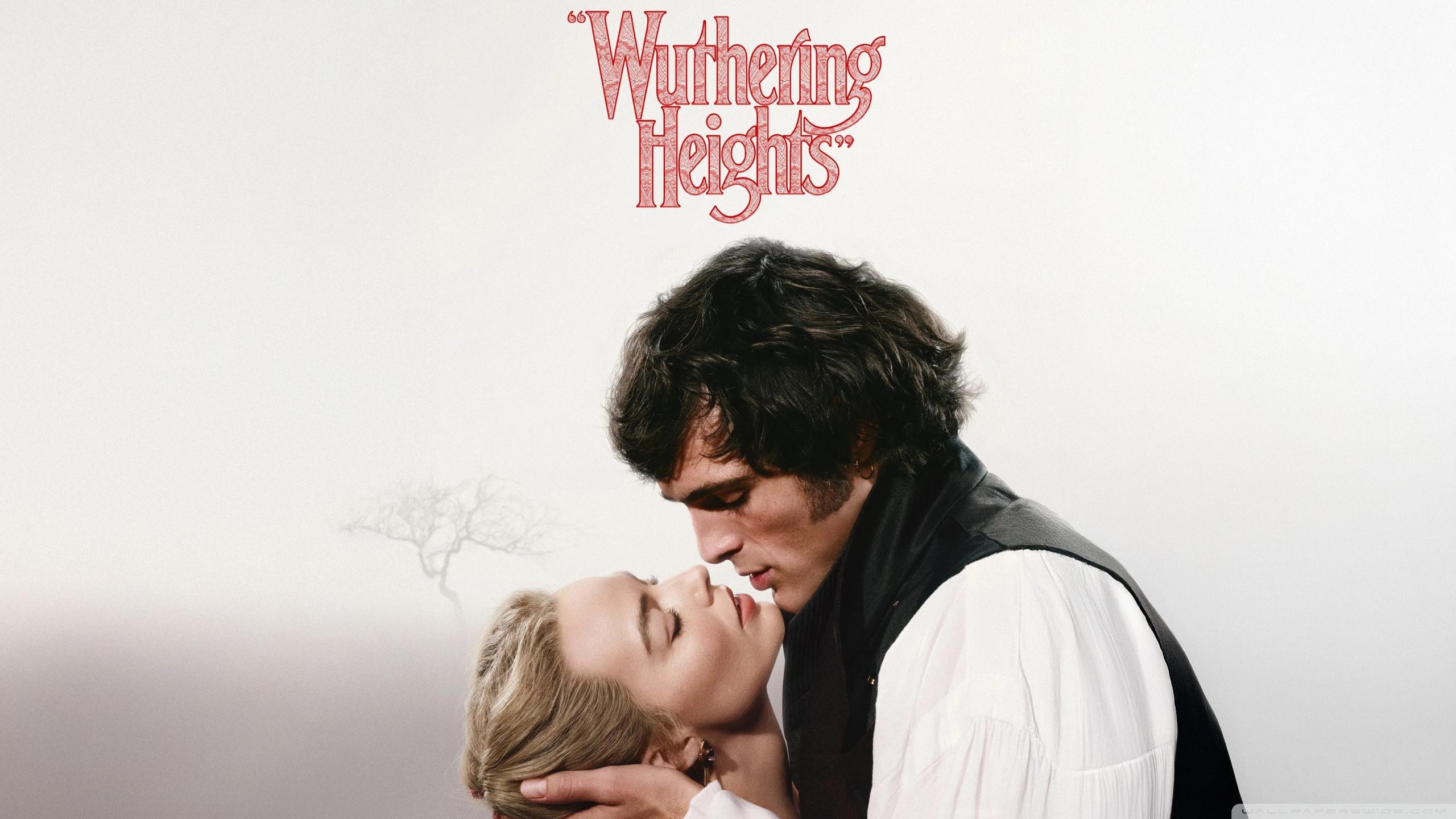
The New Wuthering Heights: A Bold Reimagining That’s Dividing Fans
If there’s one thing you can count on, it’s that adapting Wuthering Heights will make people argue.
Emily Brontë’s 1847 novel isn’t just a classic — it’s the kind of book readers feel personally attached to. For many, Catherine and Heathcliff aren’t just characters. They’re chaos, obsession, heartbreak, cruelty, longing — all wrapped up in wind and mud and emotional damage.
So when the new film adaptation arrived this year, directed by Emerald Fennell and starring Margot Robbie and Jacob Elordi, it was never going to quietly slip into cinemas.
It was going to cause a storm.
And it has.
“It’s Beautiful… But Is It Wuthering Heights?”
Even critics who are mixed on the film admit one thing: it looks incredible.
The moors are dramatic. The costumes are lush. The romance is intense and highly stylized. It feels modern, sensual, and emotionally heightened — very much in line with Fennell’s bold filmmaking style.
For some viewers, that works. They argue that Brontë’s novel is already extreme — full of obsession, vengeance, and emotional brutality — so a heightened visual approach makes sense.
But for long-time readers, the reaction has been more complicated.
A common sentiment online isn’t “This is bad.”
It’s: “This isn’t the book I love.”
That’s a subtle but important difference.
Heathcliff: The Casting Debate
One of the biggest sticking points is Heathcliff.
In the novel, Heathcliff’s racial ambiguity and outsider status are central to how he’s treated and how he develops. His “otherness” fuels much of the cruelty he experiences — and later, the cruelty he inflicts.
Some fans feel the new film doesn’t meaningfully explore that aspect. For readers who see Heathcliff’s identity as core to the story’s themes of exclusion and class, that feels like something important being softened or overlooked.
Then there’s the age question. Catherine and Heathcliff begin their story as teenagers — impulsive, immature, reckless. Casting adult stars is common in film, but for some viewers it shifts the emotional tone. Teenage volatility hits differently than adult melodrama.
Are these dealbreakers? For some, yes. For others, not at all. But they’ve definitely fueled discussion.
Romance vs. Ruin
Here’s the real tension: Wuthering Heights is not a traditional romance.
It’s not “soulmates against the world.” It’s “two people who destroy themselves and everyone around them.”
Many fans are protective of that darkness.
The new film leans heavily into the tragic love story angle — the longing, the chemistry, the sensuality. For audiences discovering the story for the first time, that makes it accessible and emotionally immediate.
But for purists, there’s a fear that the story becomes prettier than it should be.
Brontë’s novel is messy. Cruel. Uncomfortable. Catherine isn’t always sympathetic. Heathcliff isn’t just tortured — he’s terrifying. When adaptations smooth out those rough edges, even slightly, readers notice.
But Here’s the Other Side
Not everyone is upset.
Plenty of viewers love the new version. They appreciate that it doesn’t feel dusty or overly reverent. They like that it swings big. They argue that every generation gets the Wuthering Heights it deserves — and that reinterpretation is part of keeping classics alive.
And honestly? They have a point.
No adaptation can fully capture Brontë’s layered narration, time jumps, and generational arcs in two hours. Something will always be condensed. Something will always be emphasized.
The question isn’t really “Is it faithful?”
It’s “Does it work on its own?”
For some audiences, it absolutely does.
Why True Fans React So Strongly
When fans criticize this adaptation, it’s not because they hate change. It’s because they care.
Wuthering Heights isn’t just a love story — it’s a story about obsession, social cruelty, emotional inheritance, and the ways people wound each other. It’s uncomfortable on purpose.
Readers who’ve carried that book around for years don’t want it softened into something safer or more glamorous.
At the same time, new viewers might walk out of the theater curious enough to finally read the novel. And if that happens, Brontë wins either way.
So… Is It Good?
That depends on what you’re looking for.
If you want a visually striking, emotionally intense gothic romance with major star power, this version delivers.
If you want something that feels exactly like the novel you underlined in school — bleak, raw, narratively layered — you may leave feeling conflicted.
And maybe that tension is fitting.
After all, Wuthering Heights has always been divisive. People hated it when it was first published. It shocked Victorian readers. It wasn’t tidy or polite.
In a strange way, the fact that this adaptation is sparking arguments might be the most Brontë-appropriate outcome possible.
Share this article
