
Kiki’s Delivery Service and the Live-Action Version Many Forgot
When most people think of Kiki’s Delivery Service, they picture the 1989 animated classic from Studio Ghibli. It is soft, luminous, and quietly profound. It feels effortless. Over the years, it has become one of the studio’s most comforting and enduring works.
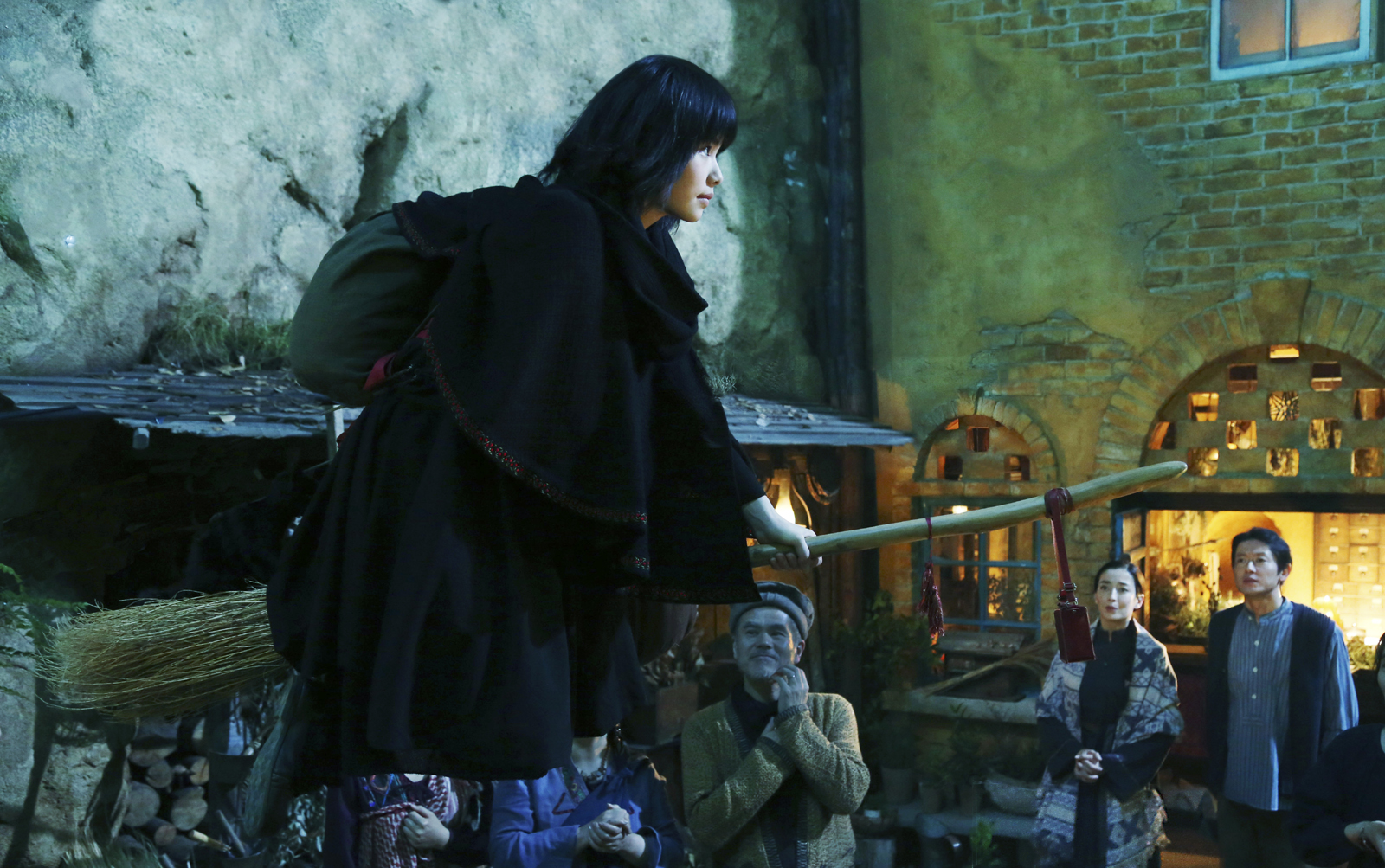
What far fewer people remember is that Kiki returned in 2014 as a live-action film, produced independently of Ghibli and directed by Takashi Shimizu, best known internationally for Ju-On and The Grudge. The film starred Fūka Koshiba as Kiki and took a notably different approach to the material.
And that difference is where things get interesting.
The 2014 version is not a remake of the animated film. Instead, it goes back to the original 1985 novel by Eiko Kadono, which predates Ghibli’s adaptation. Miyazaki’s film famously reshaped that book, emphasizing emotional nuance, quiet loneliness, and the theme of creative burnout. Those additions gave the animated Kiki a depth that resonated far beyond its simple premise.
The live-action film sticks more closely to Kadono’s lighter, episodic structure. It places Kiki in a pastel-toned European-inspired town and focuses on tangible environments, practical effects, and grounded storytelling. The tone is earnest and sincere. It does not aim for grand metaphor or abstraction.
On paper, the ingredients are all there. A beloved story. A capable young lead. A respected director with experience crafting atmosphere. Yet the result feels unexpectedly restrained.
What becomes clear while watching the live-action version is that the missing element is not plot. It is sensibility.
In the animated film, moments of stillness carry enormous emotional weight. Kiki sitting quietly. The wind moving through tall grass. A pause before a delivery. These are not filler moments. They are where the film breathes. That rhythm, that attention to interior life, is central to Miyazaki’s storytelling.
The 2014 adaptation moves more directly from event to event. Kiki’s struggles are acknowledged, but rarely lingered on. Her loneliness is visible, but it does not settle in the same way. The result is a film that is pleasant and competently made, yet emotionally lighter than its predecessor.
Studio Ghibli did not participate in the production. Hayao Miyazaki was not involved. Composer Joe Hisaishi did not return. And yet the live-action film cannot escape comparison. The animated version has become culturally definitive. It defines what Kiki “feels like.”
That comparison highlights something larger about adaptations connected to Ghibli’s orbit. The studio’s power does not come from spectacle alone. It comes from emotional precision. Its worlds feel alive because they are deeply attentive to vulnerability and small human experiences. Animation, in Ghibli’s hands, becomes a tool for expressing interior states in a way live-action sometimes struggles to replicate.
The 2014 Kiki is not a disaster. It is not cynical or careless. In fact, it is respectful to its literary roots. But it reveals how inseparable Ghibli’s philosophy is from its stories. The magic is not just aesthetic. It is tonal.
Today, the live-action Kiki exists mostly as a quiet footnote, occasionally rediscovered by curious fans. But its existence serves a purpose. It shows what happens when a Ghibli-associated story is retold without Ghibli’s guiding touch.
It does not diminish the original.
If anything, it clarifies just how rare that touch really is.
Share this article
