

Xbox wants to conquer Hollywood – and it’s creating a division to do it
Xbox is no longer thinking only about what people play. Microsoft's gaming business is making a more coordinated push into film, television, merchandise and live entertainment through a newly established division called XP. Announced on 8 October 2026, the division will bring several previously separate entertainment activities under one structure. The move reflects a growing trend in which major gaming companies are treating their franchises as entertainment worlds capable of supporting films, television series, merchandise and experiences far beyond the original games. And with properties such as Minecraft, Fallout, Call of Duty and Diablo already moving between different media, Xbox

Battle of the 80s Fantasy Movies: Ranking the Cult Classics That Still Rule the Kingdom
The 1980s gave us a version of fantasy cinema that feels almost impossible to imagine in today’s film landscape. Before cinematic universes, endless sequels and carefully calculated franchise-building, fantasy films were allowed to be strange, ambitious and wildly imaginative. Studios took risks on stories filled with goblins, ancient prophecies, dark magic and impossible worlds, trusting audiences to follow them into the unknown. Watch here. Not all of them were massive hits when they first arrived, but time has been kind to the best of them. Many of these films have outlived their original box office runs and become something far
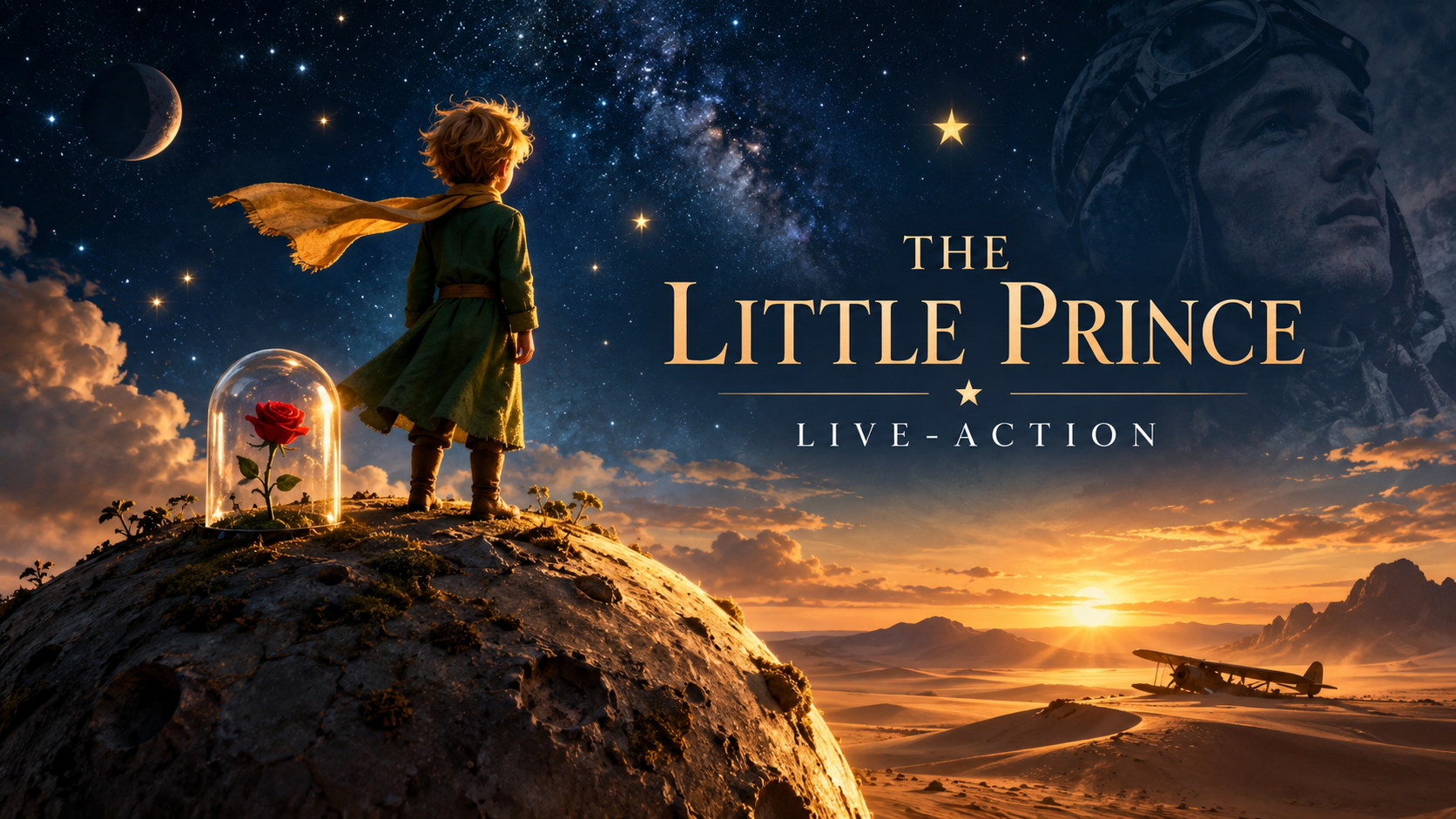
The Little Prince Is Getting a Live-Action Movie But This Is Much More Than Another Remake
There are some books that seem almost impossible to adapt because so much of their magic exists somewhere between the words, the illustrations and whatever the reader brings to them. Antoine de Saint-Exupéry's The Little Prince is one of those books. Watch here. It has already been a live-action musical, a Soviet film, an anime, an opera, several animated television series, a major animated movie, a graphic novel, a Broadway spectacle and countless stage productions. And now it is heading back to the cinema again. A new live-action The Little Prince feature film is officially in development, with The Imitation

The Twilight Saga at 20: How a vampire romance became a pop-culture phenomenon
When Stephenie Meyer published Twilight in 2005, few could have predicted that the story of an ordinary teenager falling in love with a vampire would become one of the defining pop-culture phenomena of the 2000s. What began with Bella Swan moving to the rainy town of Forks, Washington, expanded into four main novels, five blockbuster films, companion books, graphic novels, collector editions and one of the most passionate fandoms of its era. Twenty years later, Twilight has entered an interesting new phase. The original teenage audience has grown up, nostalgia for the 2000s has brought a wave of reassessment and

Charlie and the Chocolate Factory: How Willy Wonka changed across the book, three films and beyond
When Roald Dahl published Charlie and the Chocolate Factory in 1964, he created a children's story that was considerably sharper and stranger than its chocolate-covered premise might suggest. Charlie Bucket's visit to Willy Wonka's mysterious factory offered extraordinary inventions, impossible sweets and rooms filled with wonder, but beneath the fantasy was a darkly comic morality tale about greed, entitlement, bad parenting and the consequences of getting exactly what you think you want. More than sixty years later, the story has become far bigger than the original book. Gene Wilder's Willy Wonka & the Chocolate Factory arrived in 1971 and gradually

The Princess Bride: How a modest 1987 fantasy became one of cinema’s most beloved cult classics
Some films become classics because they were enormous successes from the moment they appeared. Others take a much stranger route, slowly passing from one generation to another until their dialogue, characters and stories become part of popular culture. The Princess Bride belongs firmly in the second category. Released in 1987 and directed by Rob Reiner, the film combined romance, sword fighting, comedy, fairy-tale adventure and an unusually self-aware sense of humour at a time when Hollywood was not entirely sure how to sell something that seemed to belong to several genres at once. It performed respectably rather than spectacularly at
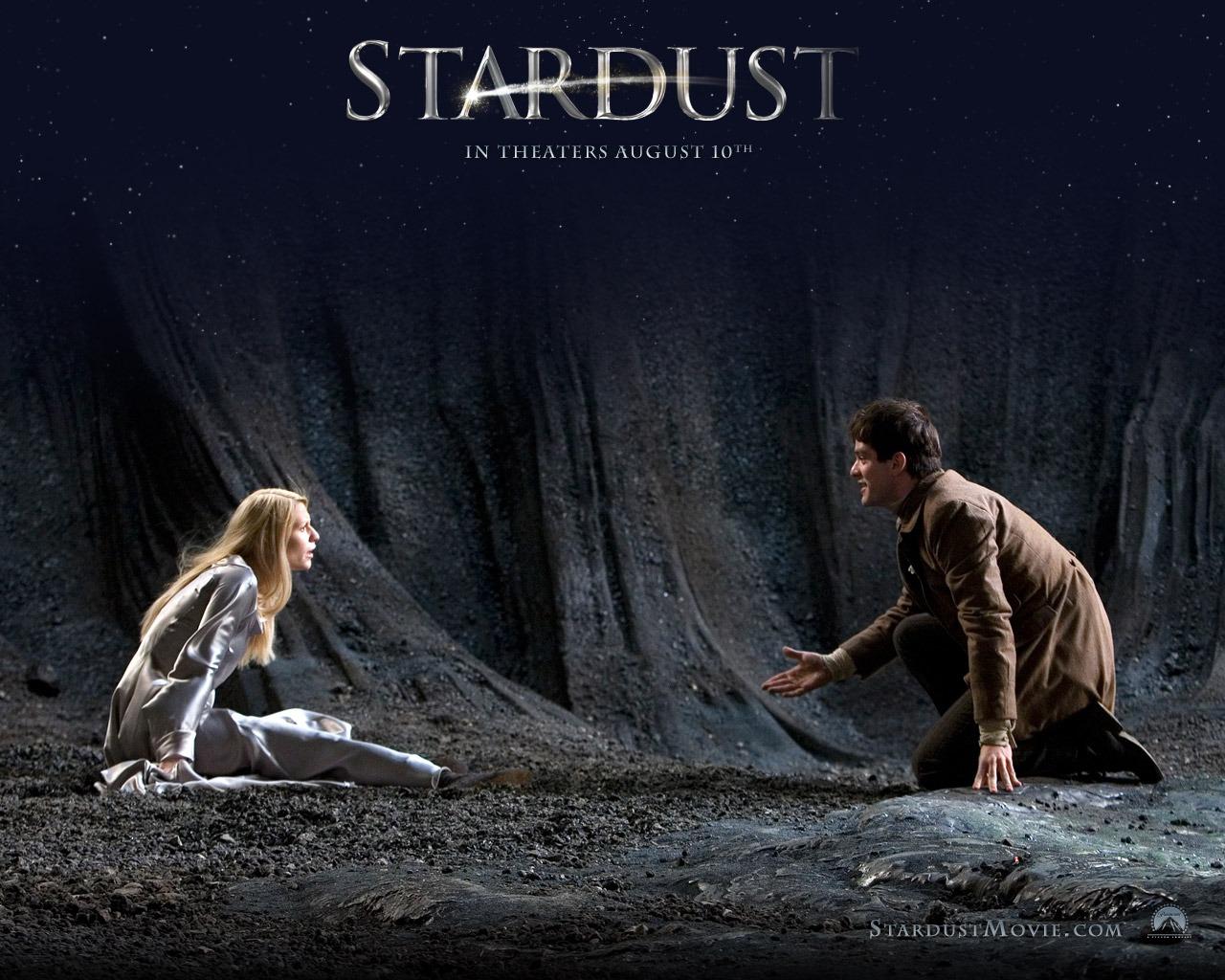
Stardust: How an overlooked fantasy adventure became a modern cult classic
In 2007, a fantasy adventure arrived in cinemas with an extraordinary cast, a bestselling Neil Gaiman story behind it, flying pirate ships, murderous princes, ancient witches, romance, comedy and a fallen star who turned out to be a woman. On paper, Stardust had virtually everything necessary to become a major fantasy hit, yet its theatrical performance was relatively modest and it never became the enormous franchise that its filmmakers might have imagined. Nearly twenty years later, that hardly seems to matter. Stardust has gradually become one of the most affectionately remembered fantasy films of the 2000s, finding the kind of

Labyrinth at 40: How Jim Henson’s Fantasy Flop Became One of the Most Beloved Cult Films of the 1980s
Released in 1986, Labyrinth has become one of those rare fantasy films that seems to exist completely outside ordinary time. Directed by Jim Henson and executive produced by George Lucas, the film brought together elaborate puppetry, fairy-tale imagery, original music by David Bowie and a young Jennifer Connelly in one of her earliest major roles. At the time of its release, however, Labyrinth was not an immediate commercial triumph. Its box office performance was modest and critical reaction was mixed, making its later rise to cult status all the more remarkable. Forty years later, the film has become a defining

Resurrection, Memory Loss & The Kiss — What Really Happened in Love Between Fairy and Devil?
Few storylines in Love Between Fairy and Devil sparked as much debate as Orchid’s memory in the final episodes. Some viewers insist she truly forgot Dongfang Qingcang after her resurrection. Others argue she remembered earlier than the show makes obvious — and deliberately concealed it. The truth is layered. And the confusion is understandable. The Source of the Confusion The final arc moves quickly: Orchid sacrifices herself to stop Tai Sui. She is resurrected as the Goddess of Xishan (Xi Yun). Her personality shifts dramatically. She agrees to marry Changheng. Dongfang Qingcang believes the Orchid he loved is gone. A

Greta Gerwig Is Taking Narnia Back to the Beginning And We Have Never Seen This Story on Screen Before
We have been through the wardrobe before. We have sailed on the Dawn Treader, fought alongside Prince Caspian and watched more than one generation of children discover that an ordinary-looking wardrobe can contain an entire world. But when Greta Gerwig brings The Chronicles of Narnia back to cinemas in 2027, she is not starting with The Lion, the Witch and the Wardrobe again. She is taking us all the way back to the beginning. Netflix has officially confirmed that Gerwig's first Narnia film is Narnia: The Magician's Nephew, and this will be the first screen adaptation of C. S. Lewis's 1955 novel. The